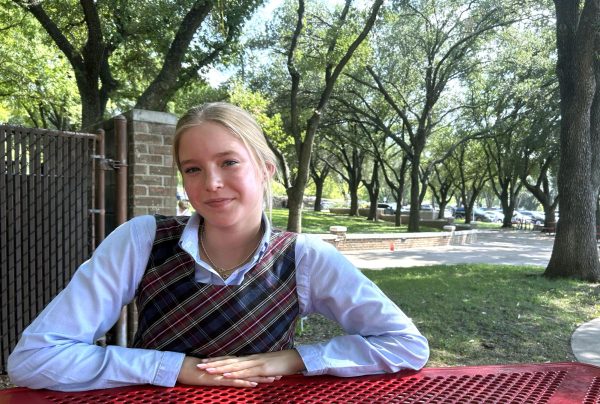


Dylan Short learned early that baseball would be more than a childhood pastime—it would be a plan that required daily discipline, patient persistence, and the willingness to keep showing up even when the path forward is uncertain. Playing since he was 3 years old, Short turned that long love into a deliberate pursuit of college baseball.
“I had to send out a bunch of emails a day,” Short said. “I didn’t just spam send them. I wrote out each one individually for each school because I didn’t want them to be like, oh, this spam email. Let me delete it.”
The waiting between sending messages and getting responses tested him in ways the field never had. There was a sense of uncertainty during his recruiting process that made him question his standing; however, it clarified what he wanted out of the game.
“I think the most stressful part of that process was waiting for emails back. You kind of have this idea of where you’re at skill-wise, and so if a coach doesn’t respond, it makes you question,” Short said.
A broken left hand became one of the toughest moments of his recruiting journey: sidelined but determined, he adapted to keep contributing, leaning on coaches and medical staff whose trust helped him move forward toward college play.
“I broke my left hand so I was able to pitch after a couple of weeks because it was my glove hand,” Short said. “I just had to put [the glove] on over the cast. I think if my doctors and coaches hadn’t let me do that, I don’t think I would have decided to play in college.”
Beyond stats and schedules, Short frames baseball as a practical training in resilience—the habit of treating every mistake as an invitation to try again, on the field and off of it.
“You always get another chance in baseball, and it’s just how you use that opportunity. And I think that translates to life. A lot of times when you mess up, you want to be down on yourself, but you have a next try,” Short said.